Visual Design Pastel Color Clipart: Soft Hues for Strong Brands
In the crowded landscape of digital content, where every brand is vying for attention with loud graphics and neon palettes, there is a distinct power in whispering. That is the core appeal of Visual Design Pastel Color Clipart. It isn’t just a collection of images; it is a visual strategy that prioritizes calm, approachability, and sophistication over shouting. When you unzip this folder, you aren't just finding assets to fill space on a webpage. You are unlocking a toolkit designed to soften the harshness of the digital world, making your content feel more like a curated gallery than a cluttered notice board.
The Anatomy of Pastel: More Than Just "Light" Colors
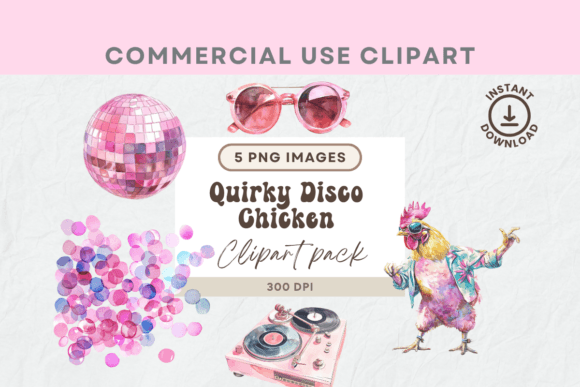
It is a common misconception that pastel colors are simply primary colors with white added. While technically true, the reality is far more nuanced. The visual characteristics of Visual Design Pastel Color Clipart rely on a specific tonal range—think dusty rose, sage green, and powder blue. These are colors that have been "dusted" with grey or white to reduce saturation. The result is a color palette that sits comfortably in the background without disappearing. It possesses a unique personality that feels simultaneously modern and nostalgic. There is a tactile quality to these designs; they almost feel like soft fabrics or matte paper, which triggers a psychological sense of comfort and safety in the viewer.
When applying these assets to your work, you are tapping into a design style that conveys "gentle authority." In brand identity, this is crucial for industries that rely on trust—wellness, beauty, sustainable fashion, and lifestyle coaching. Unlike the aggressive urgency of bright red or the coldness of stark black and white, pastel tones invite the viewer to linger. They create a breathing room in your layout. However, relying solely on these soft tones can sometimes lead to a lack of definition if not handled with care. This is where the "clipart" aspect becomes vital. These aren't just blobs of color; they are compositional elements that add texture and depth, allowing you to anchor your pastel palette with visual interest rather than just flat color fields.
Strategic Applications: From Packaging to Pixels
Understanding where to deploy Visual Design Pastel Color Clipart is key to maximizing its impact. This isn't a one-size-fits-all solution, but it is surprisingly versatile.
- Packaging Design and Physical Products: If you are a small business owner selling artisanal goods, stationery, or skincare, these assets are gold. The soft aesthetic aligns perfectly with packaging design that needs to look premium yet accessible on a shelf. The pastel tones suggest natural ingredients and gentle care, which can justify a higher price point.
- Digital Marketing and Web Design: In web design, using these clipart elements as background textures or divider lines can break up large blocks of text without creating visual noise. For social media graphics, pastels are the antidote to algorithm fatigue. They stop the scroll not by being loud, but by being different. A feed dominated by high-contrast, aggressive marketing can be exhausting; a pastel aesthetic offers a visual palate cleanser that users naturally gravitate toward.
- Editorial and Publishing: For bloggers and content creators, these assets serve as excellent visual punctuation. Instead of using generic stock photos that clash with your typography, using consistent pastel clipart helps maintain a cohesive visual hierarchy throughout a long-form article or digital magazine.
Mastering the Mix: Pairing and Hierarchy
One of the most practical challenges with pastel palettes is maintaining readability. Because the contrast ratio between pastel colors and white backgrounds is naturally low, you cannot simply throw light text onto a light background. Visual Design Pastel Color Clipart works best when it serves as the supporting cast, not the lead actor in your typography.
When considering font pairing, imagine the clipart as the "mood" and your typography as the "voice." Because the clipart is soft and organic, you want a typeface that offers structure. A bold serif font or a geometric sans serif font often pairs beautifully with pastel themes because it provides the necessary contrast. For example, a heavy, modern serif header in dark charcoal creates a stunning anchor against a backdrop of soft lavender clipart. Conversely, avoid script fonts or overly delicate handwritten fonts for body text when using pastels, as the visual weight might become too ethereal, causing the text to vanish.
Regarding visual hierarchy, use the pastel clipart to guide the eye. If you have a "Buy Now" button, don't make it pastel—make it a strong, contrasting color. Use the pastel elements to frame the button or draw a path toward it. This ensures that your brand identity remains professional while still leveraging the trendy, approachable vibe of the color palette.
Evaluating Assets and Commercial Use
As with any design asset, the value lies in the quality of the file and the clarity of the license. The package provided includes a high-resolution JPG file. In practical terms, a JPG is excellent for photographic elements or complex textures where transparency isn't required. However, as a designer or entrepreneur, you must be mindful of the background. Since it is a JPG, it will have a solid background (likely white or a specific color). This means you cannot simply overlay it onto a dark background without some editing work (like using "Multiply" blending modes in Photoshop) to remove the white space.
When downloading this premium font or asset pack, always pay attention to the licensing. The description mentions leaving a review and following for support, which implies a creator-consumer relationship typical of marketplaces like Creative Market or Etsy. Before using these assets in a massive commercial campaign—such as printing 10,000 units of packaging or using them in a logo for a corporate client—ensure the specific license permits commercial use. Most standard licenses allow for small-to-medium business use, but "print-on-demand" or mass manufacturing often requires an extended license.
Furthermore, treat these assets as a starting point. While the product description warns that titles might be misleading, the visual content is what matters. Look at the style of the clipart. Is it hand-drawn? Is it geometric? Does it align with your current brand identity? If you are a content creator looking for consistency, ensure that the pastel tones in the clipart match the color codes you are already using in your logo design and website. You can easily adjust the hue and saturation of a JPG in photo editing software to perfectly match your brand's specific shade of "mint" or "peach."
Final Thoughts on Modern Aesthetics
The trend toward Visual Design Pastel Color Clipart reflects a broader shift in modern typography and design toward human-centric aesthetics. We are moving away from the cold, corporate minimalism of the 2010s and toward a warmer, more textured visual language. By incorporating these elements into your work, you aren't just following a trend; you are adapting to a digital environment that craves softness and authenticity.
Whether you are designing a wedding invitation, a landing page for a new app, or social media content for a boutique, the practical application of these pastel assets is undeniable. They bridge the gap between professionalism and personality. Just remember to balance the softness with strong structure—pair them with readable fonts, use them to support your hierarchy rather than obscure it, and ensure your file formats (like this JPG) are used in contexts where their specific strengths—texture and color—can shine without technical limitations.