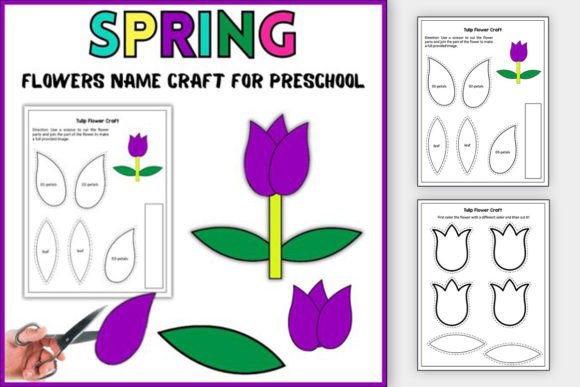
Spring Flower Name Craft & Color Activity
As the digital world becomes increasingly saturated, there is a palpable resurgence in the demand for tactile, meaningful design elements. We are seeing a shift away from the sterile, geometric sans serif font trends of the last decade toward warmer, more human-centric aesthetics. For designers, marketers, and content creators, this presents a unique opportunity: integrating organic textures and personalized elements into modern typography. The "Spring Flower Name Craft & Color Activity" serves as a masterclass in this shift, offering not just a lesson plan for educators, but a rich source of inspiration for anyone involved in brand strategy, packaging design, or editorial layout.
Beyond the Classroom: Visual Style and Aesthetic Appeal
At first glance, this resource is a curated celebration of the season, blending the delicate architecture of tulips and flora with the bold, expressive nature of hand-lettering. However, for the creative professional, the true value lies in the visual characteristics of the activity itself. The templates provided are not merely coloring sheets; they are structured design assets that mimic the best qualities of a handwritten font or a script font.
The personality of the Spring Flower Name Craft is defined by its organic imperfection. The cut-and-paste nature of the "Flower Name Craft" introduces a layer of texture that is difficult to replicate digitally. When students arrange letters to spell out flower names, they are engaging in a form of typographic composition that prioritizes visual weight and balance over rigid grid systems. This aesthetic is incredibly appealing in the current market. It evokes a sense of authenticity and approachability—traits that are invaluable for brands looking to connect with audiences on a personal level. The visual style is playful yet structured, offering a bridge between the whimsy of a premium font and the legibility required for clear communication.
Strategic Applications for Modern Branding
For entrepreneurs and small business owners, the imagery derived from this activity offers a versatile toolkit for brand identity. The "Flower Name Garden" concept, where students arrange their creations into a cohesive landscape, mirrors the process of assembling a visual identity system. This approach is particularly effective for businesses in the lifestyle, wellness, or artisanal sectors.
- Packaging Design: Imagine a botanical skincare line or a boutique florist using the collage-style aesthetics of this craft for their labels. The mix of colors and textures creates a shelf presence that feels bespoke and high-quality, bypassing the coldness of standard display font usage.
- Social Media Graphics: In an era of algorithmic feeds, authenticity wins. The "Tulip Flower Craft" elements can be scanned and digitized to create social media templates that stand out against polished, corporate-looking posts. This raw, creative energy often drives higher engagement rates.
- Editorial and Web Design: Publishers and bloggers can utilize the layout principles found in the name arrangement activity. By treating text blocks as "petals" that need to be balanced within a page, designers can create dynamic editorial design layouts that guide the reader’s eye naturally.
The versatility here lies in the translation of physical craft into digital assets. A scanned texture of a crayon-colored tulip can serve as a background for a web design hero section, adding warmth that a standard serif font or flat color cannot achieve alone.
The Psychology of Color and Composition
The "Color Activity" aspect of this resource is a practical lesson in color theory and visual hierarchy. For the designer, this is a reminder of how color influences brand perception. The activity encourages experimentation with "vibrant" and "stunning" palettes. In branding, this translates to the strategic use of color to evoke specific emotions.
Furthermore, the structure of the activity reinforces the importance of readability and visual hierarchy. When cutting out letters to spell names, the student must consider the size and weight of the characters. This is a tangible version of kerning and tracking in digital typography. A large, bold letter acts as a headline—similar to a heavy modern typography display style—while smaller letters fill supporting roles. This hierarchy is essential for effective logo design and advertising, where the message must be absorbed instantly.
Practical Guidance for Creative Integration
How can a creative professional or educator leverage this specific activity to its fullest potential? It requires a mindset that sees "craft" as "composition."
Evaluating Project Fit: If your project demands a sterile, hyper-minimalist look, this aesthetic may not be the primary choice. However, if you are working on a campaign that requires consistency and professionalism rooted in humanity—such as a community initiative, a children’s book, or a sustainable brand—the textures and layouts found here are gold. They provide the "imperfection" that signals a human touch.
Testing Font Pairings: If you choose to digitize the results of the Flower Name Craft to use as a creative font or asset, pairing is crucial. The organic, jagged edges of a cut-paper aesthetic pair beautifully with a clean, geometric sans serif font. The contrast between the chaotic nature of the craft and the order of the sans serif creates a sophisticated tension that enhances audience engagement. Avoid pairing it with overly ornate script fonts, which can result in visual clutter.
Licensing and Assets: While the physical templates are for personal or educational use, the concept is a commercial asset. For designers, the takeaway is to build a library of your own organic textures. Scan your own experiments with paper, ink, and flora to create a unique commercial font texture pack or a set of design assets that no competitor can replicate.
Conclusion: A Fresh Perspective on Design Assets
The Spring Flower Name Craft & Color Activity is more than a seasonal distraction; it is a blueprint for engaging, tactile design. By embracing the principles of color, composition, and the "happy accidents" inherent in crafting, designers and marketers can inject new life into their projects. Whether you are refining a brand identity, curating a magazine spread, or launching a new product, looking to the organic structures of nature and the creativity of the classroom can provide the fresh perspective needed to bloom in a crowded market.