Music Instrument Bass Color Line Icon: A Design Asset for Modern Projects
In the world of digital design, a single, well-crafted icon can communicate more than a paragraph of text. The Music Instrument Bass Color Line Icon is one such asset—a versatile vector graphic that brings clarity and personality to a wide range of creative work. This isn't just a simple drawing; it's a professional-grade tool designed for real-world application, from logos to social media graphics, and everything in between.
Understanding the Visual Character and Appeal
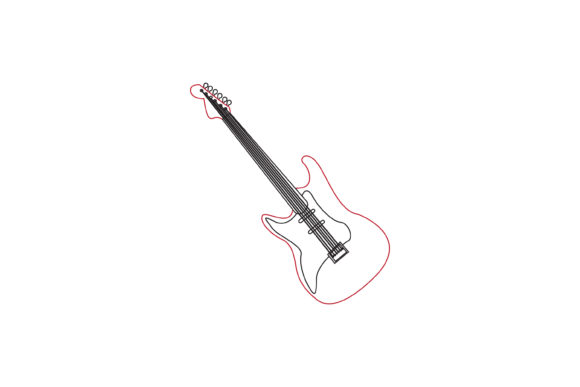
At its core, this icon is a stylized representation of a bass instrument, rendered with clean, confident lines and a considered use of color. The "line icon" aspect means it relies on stroke weight and shape rather than heavy fills, giving it a modern, lightweight feel that works well at various scales. The addition of color—a thoughtful accent rather than a full palette—adds a layer of personality and visual interest, making it stand out in a sea of monochrome symbols. It strikes a balance between being recognizable and abstract enough to fit into diverse aesthetic contexts, from minimalist tech branding to vibrant music festival posters.
Where This Icon Finds Its Home
The true value of a design asset like the Music Instrument Bass Color Line Icon lies in its adaptability. As a designer or content creator, you'll find it integrates seamlessly into numerous projects:
- Logo Design & Brand Identity: It can serve as a primary mark or a supporting element for music schools, recording studios, instrument retailers, or bands. Its clean vector nature ensures it looks sharp on everything from a business card to a billboard.
- Editorial & Packaging Design: Use it to break up text in magazines, blogs, or album liner notes. It's equally effective as a spot illustration on packaging for audio equipment, music-themed merchandise, or artisanal products.
- Digital & Web Design: The icon enhances user interfaces for music apps, streaming services, or online stores. It can be used as a favicon, a button graphic, or an illustrative element within a webpage layout.
- Social Media & Marketing Graphics: Create engaging posts, stories, or advertisements for events, product launches, or educational content. Its inherent visual appeal helps capture attention in fast-scrolling feeds.
- Personal & Craft Projects: Hobbyists and crafters can incorporate it into custom t-shirt designs, vinyl decals, posters, or digital invitations, adding a professional touch to personal creations.
Think of it as a versatile character in your design toolkit—ready to play a supporting role or take center stage, depending on the story you need to tell.
Making an Impact: How Icons Shape Perception
A well-chosen icon does more than decorate; it communicates. The Music Instrument Bass Color Line Icon can influence your project's effectiveness in several key ways:
- Clarity & Readability: A clear icon reduces cognitive load. It helps users instantly understand context, whether it's indicating a music category, a related product, or a section of a website.
- Visual Hierarchy: It can guide the viewer's eye, acting as a focal point or a subtle wayfinding tool within a complex layout like an infographic or a multi-page document.
- Brand Personality & Recognition: Consistent use of a specific icon style builds brand recognition. This icon's particular blend of line work and color can convey traits like creativity, precision, modernity, or passion, aligning your visual identity with your core message.
- Professionalism: Using a high-quality, scalable vector file signals attention to detail. It avoids the pixelation and quality loss associated with low-resolution raster images, ensuring your work looks polished across all mediums.
When integrated thoughtfully, it becomes a silent ambassador for your brand's quality and aesthetic sensibility.
Practical Guidance for Implementation
Ready to put this asset to work? Here’s how to approach it like a seasoned professional:
- Evaluate Project Fit: Does the icon's style align with your project's tone? Its modern, clean lines suit contemporary brands. If your project has a more vintage or rustic feel, you may need to adjust its presentation or consider a different asset.
- Leverage the File Formats: The included vector files (.AI, .EPS, .SVG) are your primary tools. They are fully editable—change colors, adjust stroke weights, or modify shapes to perfectly match your brand guidelines. The raster files (.JPG, .PNG) are ideal for quick use in presentations, social media, or print-on-demand platforms where vector editing isn't possible.
- Master Font Pairing (If Applicable): If the icon is part of a larger typographic system (like a logo with text), pair it with a complementary typeface. Its linear quality often works well with both sans serif fonts for a clean, modern look and serif fonts for a touch of classic elegance. Avoid overly ornate script fonts that might clash with its simplicity.
- Test for Readability and Scalability: Always test the icon at the smallest size you'll use it, such as a favicon (16x16 pixels). Ensure the lines don't blur together. The beauty of a vector is that you can scale it up infinitely for large-format printing without losing a single detail.
- Understand Licensing: Since this is a premium font and icon asset, review the license carefully. Most standard licenses cover a wide range of uses, including commercial projects, merchandise, and digital products. Confirm that your intended use (e.g., for a client's brand, on items for sale) is permitted to avoid legal issues down the line.
The Music Instrument Bass Color Line Icon is more than a clipart image; it's a foundational design asset. By understanding its strengths and applying it strategically, you can enhance the visual storytelling of your projects, strengthen your brand identity, and engage your audience with a clear, professional, and memorable visual language. Its true power is unlocked not just by having it, but by using it with intention.